

· AFX Research, LLC
What Actually Happens After You Order a Property Title Search
Intake pins down the property and the scope, an abstractor reads the indexes and pulls the instruments, and a report arrives with its own limits stated.
Table of Contents
Ordering a title search is one of those transactions where the buyer has very little idea what happens in between. A request goes in, some days pass, a document comes back. Knowing the shape of the work in the middle makes it easier to supply the right things at the start and read the result correctly at the end, which are the two places a client can materially affect the outcome.
Intake pins down the question
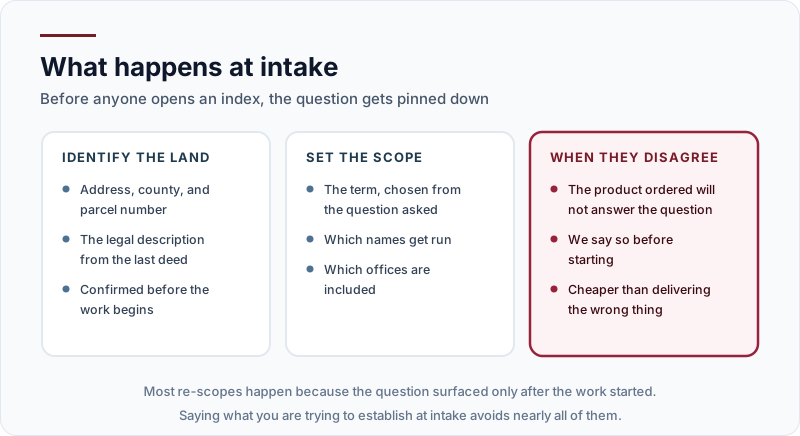
First the land gets identified. Address, county, parcel number, and the legal description from the last recorded deed, confirmed before anyone starts, because searching the wrong parcel is the one error nothing downstream will catch. That is why how land is identified in the record matters more than it sounds.
Then the scope is set. The term, chosen from the question being asked rather than from a price list, which names get run, and which offices are included.
And where those two disagree, somebody says so. If the product ordered will not answer the question described, the time to raise it is before the work begins rather than on delivery. Most re-scopes happen because the real question only surfaced after the search was underway, which is avoidable by saying what you are trying to establish at intake.
The abstractor does the reading
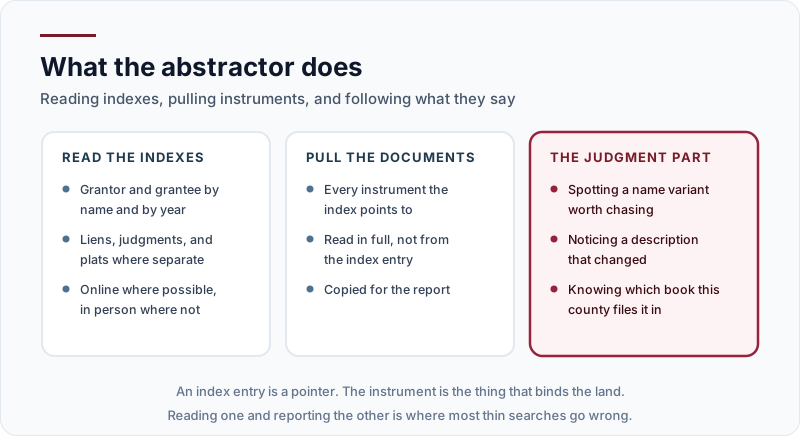
Indexes come first. Grantor and grantee by name and by year, plus liens, judgments, and plats where the county keeps them separately. Online where the county has digitized, in person where it has not, and on many parcels a mixture of both because the coverage changes partway through the term.
Then the documents. Every instrument the index points to, pulled and read in full rather than summarized from the index entry, and copied for the report. An index entry is a pointer; the instrument is the thing that binds the land, and reading one while reporting the other is where thin searches go wrong.
The part that is not mechanical is the judgment. Spotting a name variant worth chasing, noticing that a description changed between two deeds, and knowing which book this particular county files a given instrument in. Those are learned facts about a place, which is why the work is organized the way it is in who orders a title search and why.
This is also where most of the variation in turnaround comes from. A county with scanned indexes running back decades can be worked from a screen, and one that keeps its older volumes on a shelf needs somebody physically present during office hours. The same request in two adjacent counties can be a very different amount of work, and neither situation is a problem with the search.
What arrives
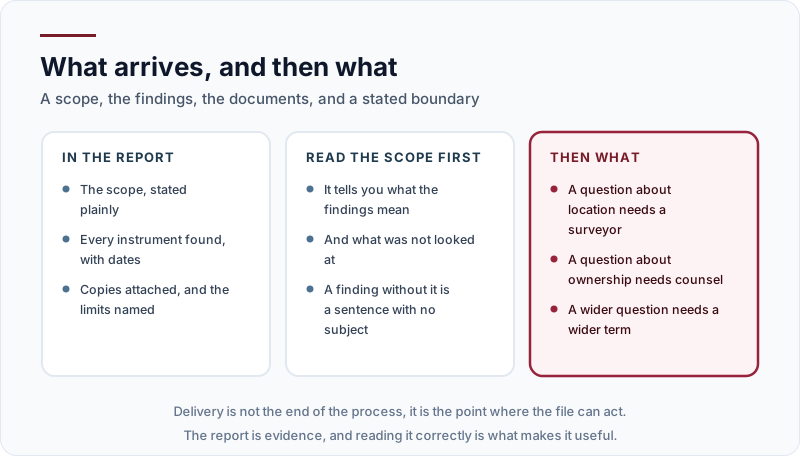
The report carries the scope stated plainly, every instrument found with its dates, copies attached, and the limits named. Read the scope before the findings, because it is what tells you what the findings mean and what was never looked at.
The attached copies are worth insisting on rather than accepting a summary list. A summary is somebody’s reading of a document, and the document is the thing that actually binds the land. Where a finding matters at all, the wording in the instrument is what you or your attorney will end up arguing from.
Then act on what it says. A question about where a line runs needs a surveyor. A question about who holds title today needs an attorney. A question the term could not reach needs a wider term. A search reports what was recorded and indexed over the period searched, as of the date the work was done, and recording practice varies by county so what an index could contain is a local fact.
The takeaway
The two moments where a client changes the outcome are intake and delivery. Supply the legal description and say what you are trying to establish, then read the scope line before the findings. Everything in between is somebody reading indexes and pulling instruments in a specific county. Find the property that runs your search, or tell us what you are trying to establish and we will point you at the right one before anything is ordered.